



low pressure mud gun company
Tension control systems, such as weight tension control , winding tension control , and the automatic tension controller , play a vital role in maintaining product quality and precision across various industries. These systems are essential for regulating the amount of tension applied to materials during processing, which can affect material properties such as thickness, strength, and uniformity. In industries like steel production, AGC systems (Automatic Gauge Control) work in tandem with tension control systems to ensure that the manufacturing process remains efficient and produces consistent results. Beyond steel, tension control systems are also crucial in other sectors like steel or aluminum manufacturing, where precise tension management is necessary to produce high-quality products. Weight Tension Control in Industrial Applications Weight tension control is primarily used to manage the force applied to materials like metal strips or films during production. By regulating the weight and tension in these materials, manufacturers can ensure that they are consistently processed to the required specifications. In steel rolling mills or aluminum production, maintaining the proper weight tension is critical to achieving uniform thickness, smooth surfaces, and preventing defects. In steel or aluminum manufacturing, weight tension control helps prevent issues such as over-compression or under-tensioning, both of which could lead to material deformation or non-uniform thickness. This is particularly important in industries where lightweight and durable steel or aluminum sheets are required for products like packaging or automotive components. Similarly, in paper manufacturing, controlling weight tension is crucial to achieving the desired paper density and preventing ripples or warping in the final product. By continuously monitoring and adjusting the tension, weight tension control systems ensure high-quality results and improve the overall efficiency of the production process. This automated control minimizes the risk of human error and helps manufacturers maintain a high standard of precision in their operations. Winding Tension Control in steel or aluminum Industries Winding tension control is particularly important in industries where materials are processed into rolls or coils, such as steel or aluminum manufacturing. In these sectors, materials like steel or aluminum foil are wound onto rolls after being processed, and maintaining consistent tension during the winding process is essential for preventing issues like misalignment, wrinkling, or uneven winding. In steel or aluminum production, winding tension control ensures that steel or aluminum strips are wound evenly, without the risk of uneven tension leading to material defects. This process is vital for the production of high-quality steel or aluminum coils used in packaging, construction, and automotive industries, winding tension control ensures that the coils are wound properly, preventing defects such as creases or uneven thickness that could compromise the steel's quality or usability. Automatic tension controllers are used to maintain consistent tension during the winding process, making real-time adjustments to ensure that the material is wound tightly but not excessively. This level of control helps reduce waste, improve material yield, and produce a finished product that meets the required specifications. Automatic Tension Controllers : Enhancing Efficiency Across Sectors An automatic tension controller is a crucial component for any manufacturing system that requires precise tension management. These systems use advanced sensors and real-time feedback mechanisms to adjust tension automatically, ensuring optimal performance throughout the production process. In industries like steel, aluminum manufacturing, the automatic tension controller plays a pivotal role in maintaining material integrity and minimizing defects. In steel manufacturing, for instance, the automatic tension controller works alongside AGC systems to ensure that the rolling process remains efficient, controlling the tension of the steel strip as it moves through the rollers. By adjusting the tension automatically based on real-time measurements, these controllers help prevent issues such as uneven rolling or warping. The integration of automatic tension controllers in these systems allows for continuous monitoring and adjustment, improving consistency and product quality while reducing material waste. In the steel or aluminum industry, automatic tension controllers ensure that steel or aluminum foil is processed and wound without any unnecessary strain or deformation. These controllers help maintain consistent tension during the winding process, ensuring that the final product meets the required quality standards for use in packaging, insulation, or automotive applications. Similarly, automatic tension controllers in paper manufacturing regulate the tension during the papermaking and winding processes, preventing defects such as creases or stretching. This system allows for higher speeds and better control over the paper’s quality, meeting the strict requirements of paper producers. Integrating AGC Systems with Tension Control for Precision Manufacturing AGC systems (Automatic Gauge Control) and tension control systems are often integrated to provide enhanced precision and efficiency in manufacturing processes. The combination of AGC systems with automatic tension controllers allows manufacturers to control both the thickness of the material and the amount of tension applied during processing. This integration is essential in industries like steel, aluminum manufacturing, where maintaining both precise material thickness and tension is critical for producing high-quality products. In steel production, for instance, AGC systems automatically adjust the gap between rollers to maintain consistent thickness, while tension controllers ensure that the material remains under the correct amount of tension. This combination of technologies helps ensure that the final product has consistent thickness and material properties, reducing the risk of defects and improving overall efficiency. In the steel or aluminum industry, the integration of AGC systems with tension control ensures that steel or aluminum strips are processed to the desired specifications, with uniform thickness and smooth, defect-free surfaces. Similarly, in paper manufacturing, this integration guarantees that paper sheets are produced with consistent density and proper alignment, ensuring that the final product meets quality standards. Precision and Efficiency Through Integrated Tension Control Systems In conclusion, weight tension control , winding tension control , and automatic tension controllers are critical technologies that improve precision and efficiency across various manufacturing sectors. From steel to aluminum manufacturing, maintaining proper tension during the production process ensures that materials are processed to meet high-quality standards. By integrating these technologies with AGC systems , manufacturers can optimize their production lines, improve product quality, and reduce waste, making these systems indispensable in modern manufacturing. As industries continue to evolve, the role of tension control systems will become even more critical in ensuring the consistent production of high-quality materials. Whether in the aluminum or steel industry, manufacturers must continue to invest in these advanced technologies to remain competitive and meet the growing demands of the market.

We have successfully executed over 500
projects around the world,
many first-of-their-kind
research projects and products in China, including
We have successfully executed over 500
projects around the world,
many first-of-their-kind
research projects and products in China, including
-
2004
The 1st hydraulic AGC system for hot rolling of ribbon steel
-
2006
The 1st AFC system used for 1450mm skin pass mill
-
2009
The 1st 5-stand tandem line with 2-stand POR & Uncoiler for 650mm ribbon steel
-
2012
The 1st reversing mill for 1380mm strip
-
2016
The 1st soft-rolling system used in skin pass mill
-
2019
The 1st fully automated medium-width tandem cold rolling mill
-
2021
The 1st 5000KN Twin-stand double skin pass mill
-
2022
The 1st coupled pickling line & tandem cold mill with two modes - big roller & small roller
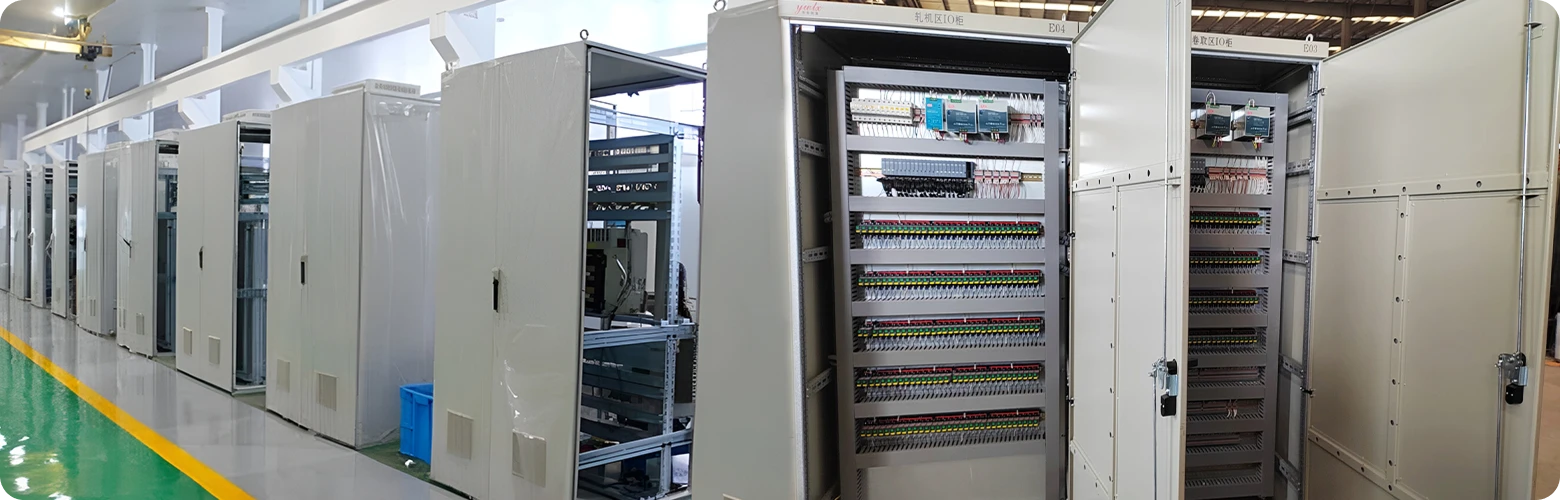
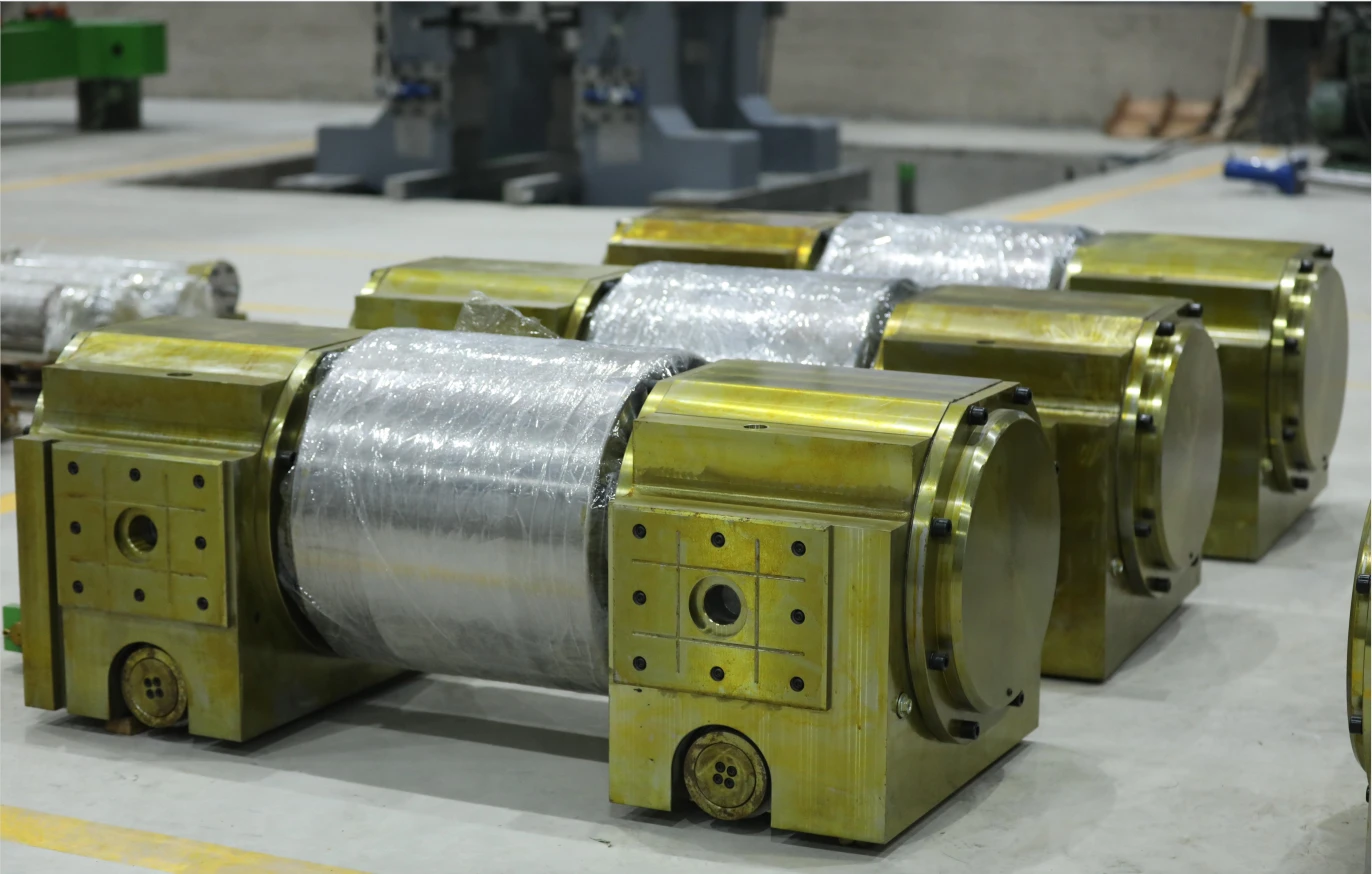
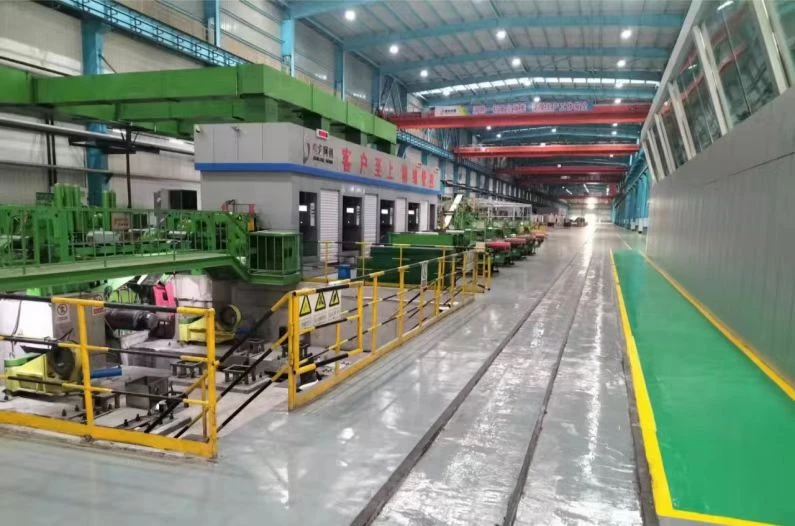
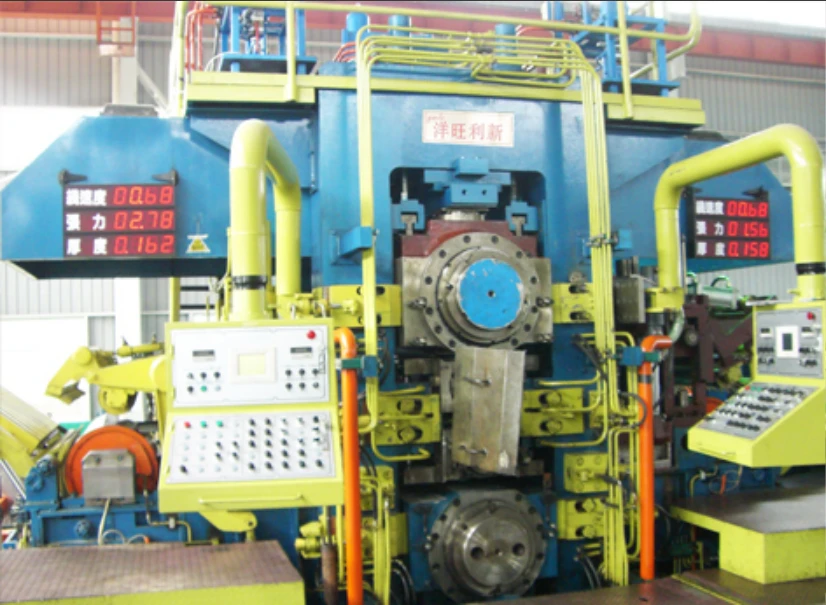
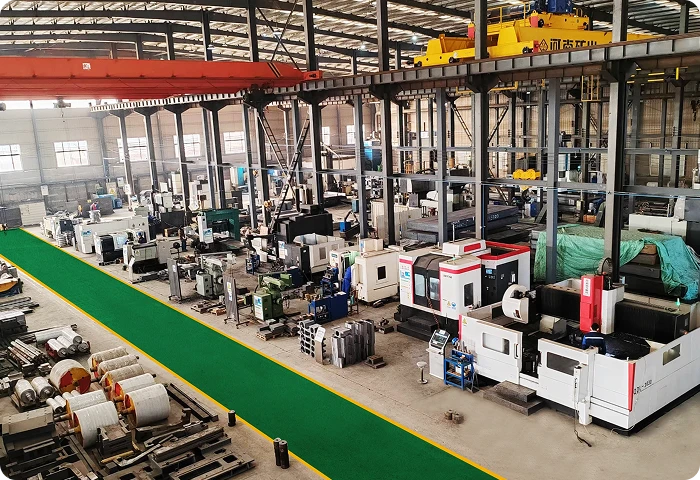
Yang Wang Li Xin operates a state-of-the-art facility over 66,000 square meters,and our manufacturing facility is fully equipped with high-tech machinery and high-capacity cranes. This enables us to handle large work pieces measuring 4.5m in width, 10m in length, and 1.5m in height, guaranteeing our capacity to produce 1800mm skin-pass mills and 1450mm rolling mills. The individual piece can weigh up to 100 tons.

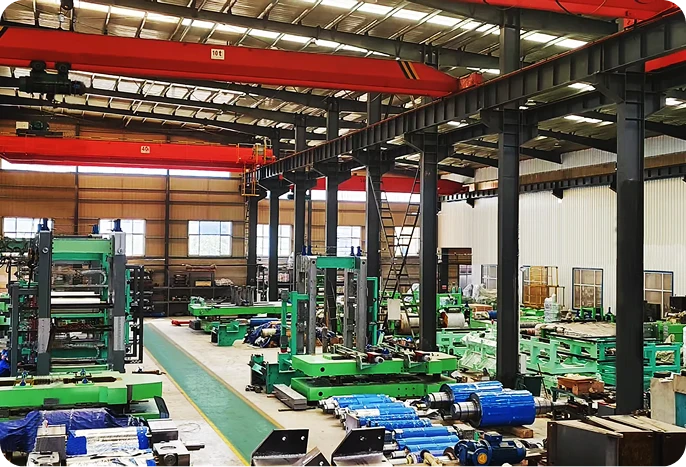

Quality is fundamental to the enterprise survival. We have established a comprehensive and meticulous quality management system and have successfully obtained ISO14000 certification. Starting from the design source, it supervises the entire production cycle, including design, procurement, processing, assembly, in-factory testing, installation, and online commissioning. The workshop is equipped with measuring tools like vernier calipers, spectrometers, hardness testers, and ultrasonic flaw detectors. They are used to check materials and control tolerances to ensure the final equipment meets or exceeds requirements. All products have a unique code, This enables the easy identification and traceability of the equipment components and ensures full control of quality.


-
 Optimized Water Quenching Process & Devices for Metal Heat TreatmentIntroduction to Advanced Quenching Technologies In the demanding world of metallurgy and material science, precise heat treatment is paramount to achieving desired material properties. Among various heat treatment methods, quenching stands out as a critical process for enhancing hardness and strength in metals. This article delves into the intricacies of the water quenching process , a foundationa
 -
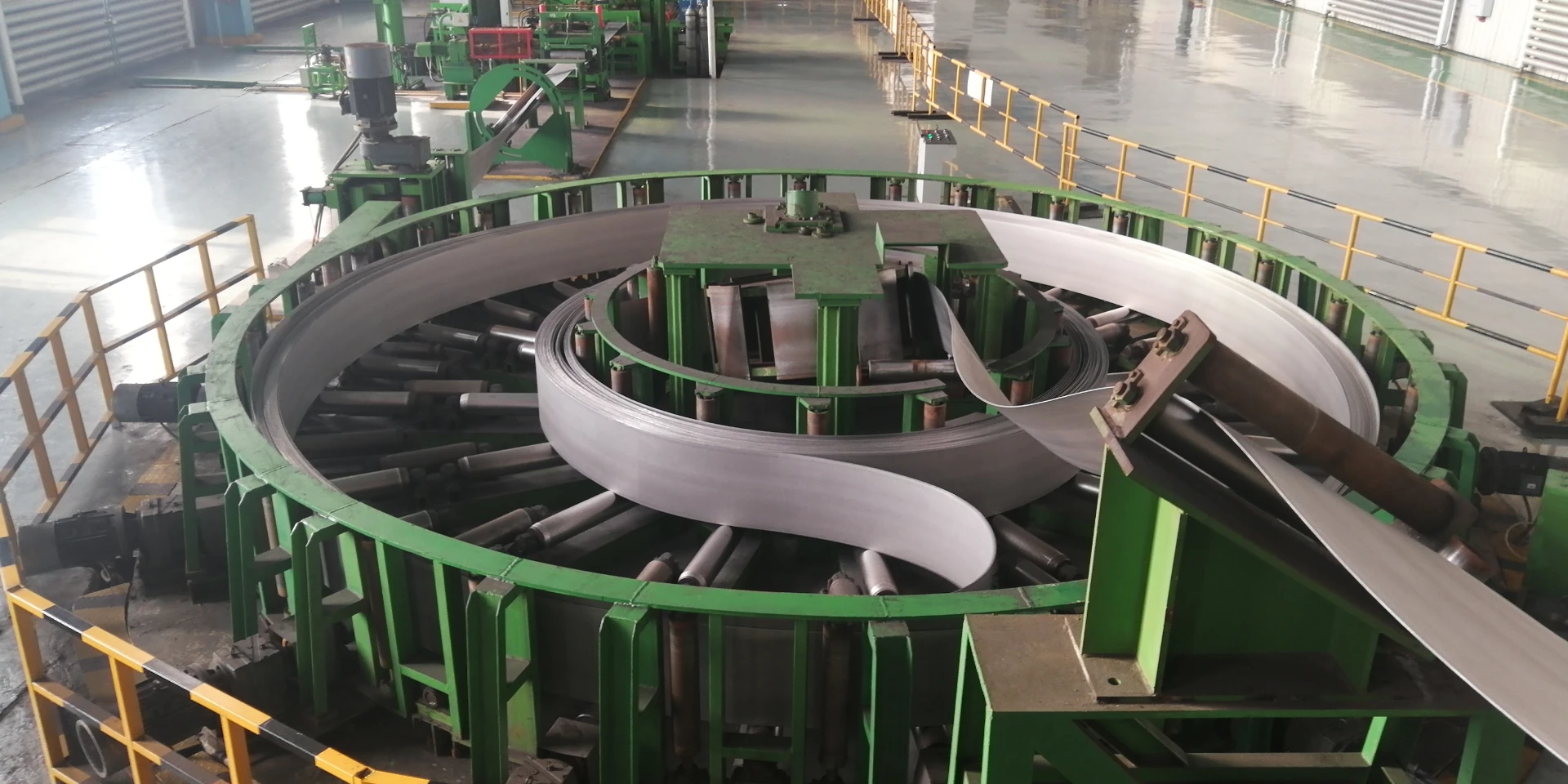 Automatic Gauge Control Cold Rolling Mill for Precise Strip ThicknessHome > Products > Automatic Gauge Control Cold Rolling Mill Solutions Discover comprehensive insights and technical depth on automatic gauge control cold rolling mill solutions, including automatic gauge control in strip rolling and advanced hydraulic automatic gauge control technologies. Unlock energy-efficient, precision gauge control for hot/cold strip rolling mills—with industry-leading parame
 -
 Cladding Rolling Mill - YWLX|Energy Efficiency&Surface QualityThe Cladding Rolling Mill developed by YWLX (石家庄洋旺机电技术有限公司) represents a significant advancement in metal bonding technology. This innovative system leverages cold rolling processes to produce high-quality cladding strips, offering a sustainable and cost-effective solution for industries ranging from electronics to automotive manufacturing. Below, we explore the product's features, advantages, tec


